HRV, Sales Sheet


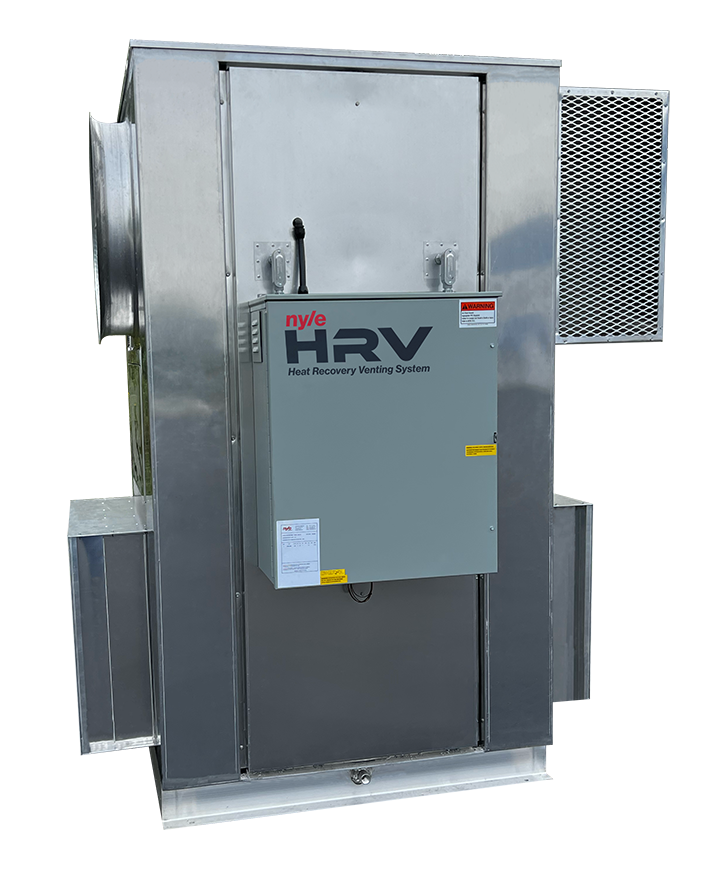
| HRV2500 | HRV5000 | |
|---|---|---|
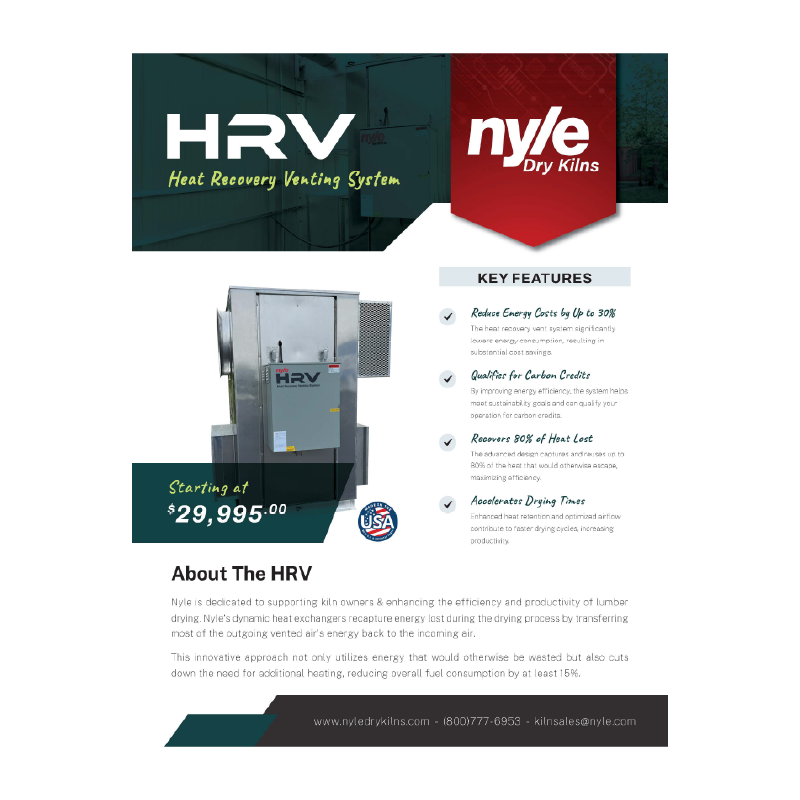
| Venting Capacity | 2,500 CFM | 5,000 CFM |
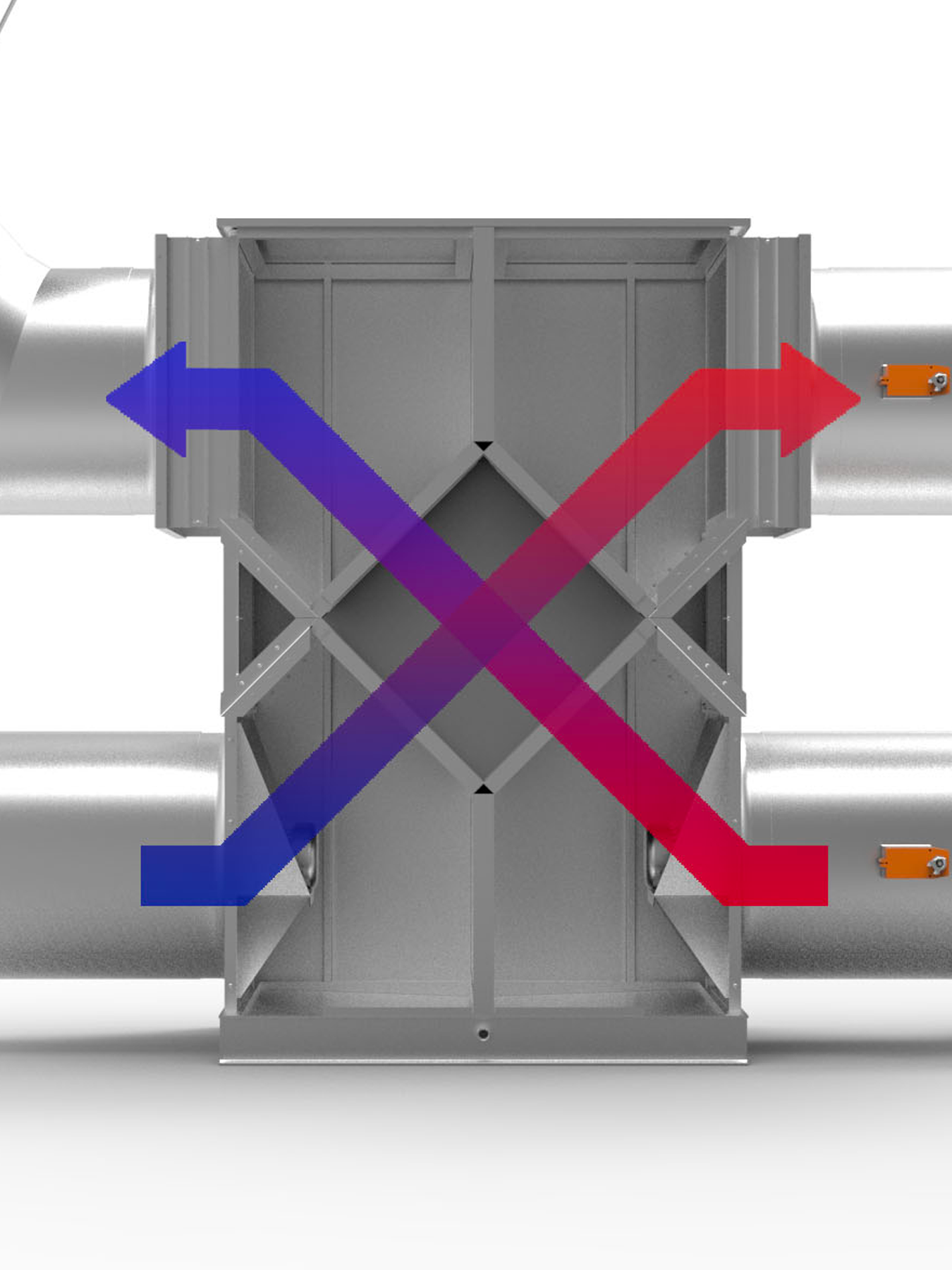
| Estimated Energy Savings | Saves up to 80% of Lost Heat | Saves up to 80% of Lost Heat |
| Energy Recovery — Winter | Up to 152,751 BTU/hr | Up to 305,502 BTU/hr |
| Energy Recovery — Summer | Up to 58,284 BTU/hr | Up to 116,568 BTU/hr |
| Intake / Exhaust Fan HP | Two 2HP Reversible with VFD | Two 3HP with VFD |
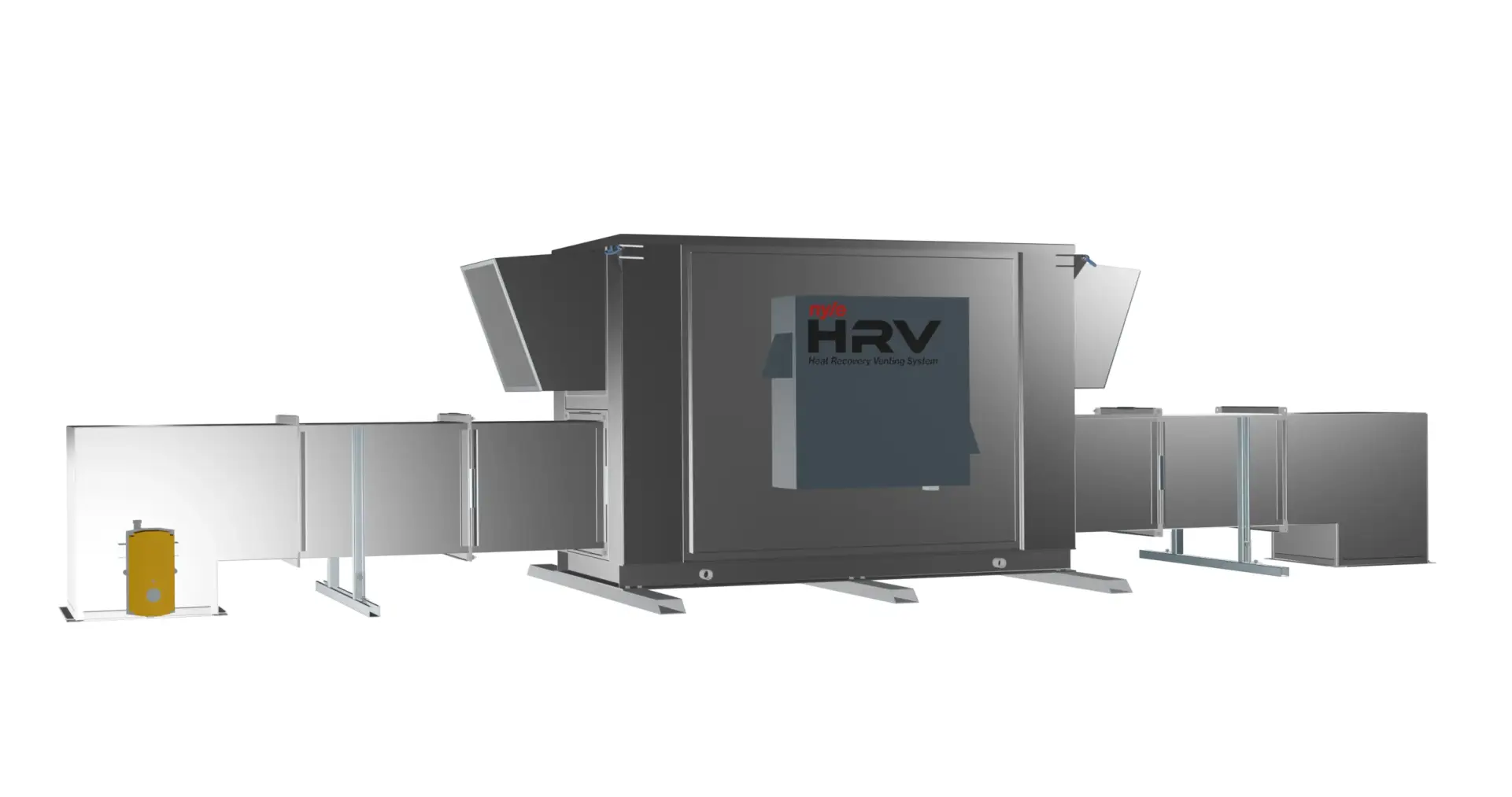
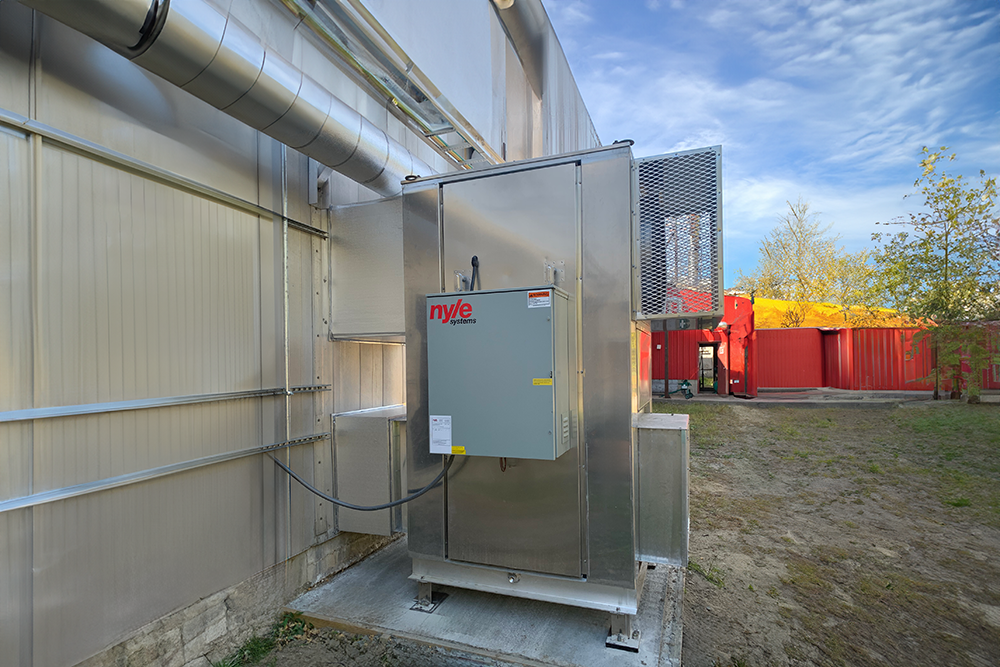
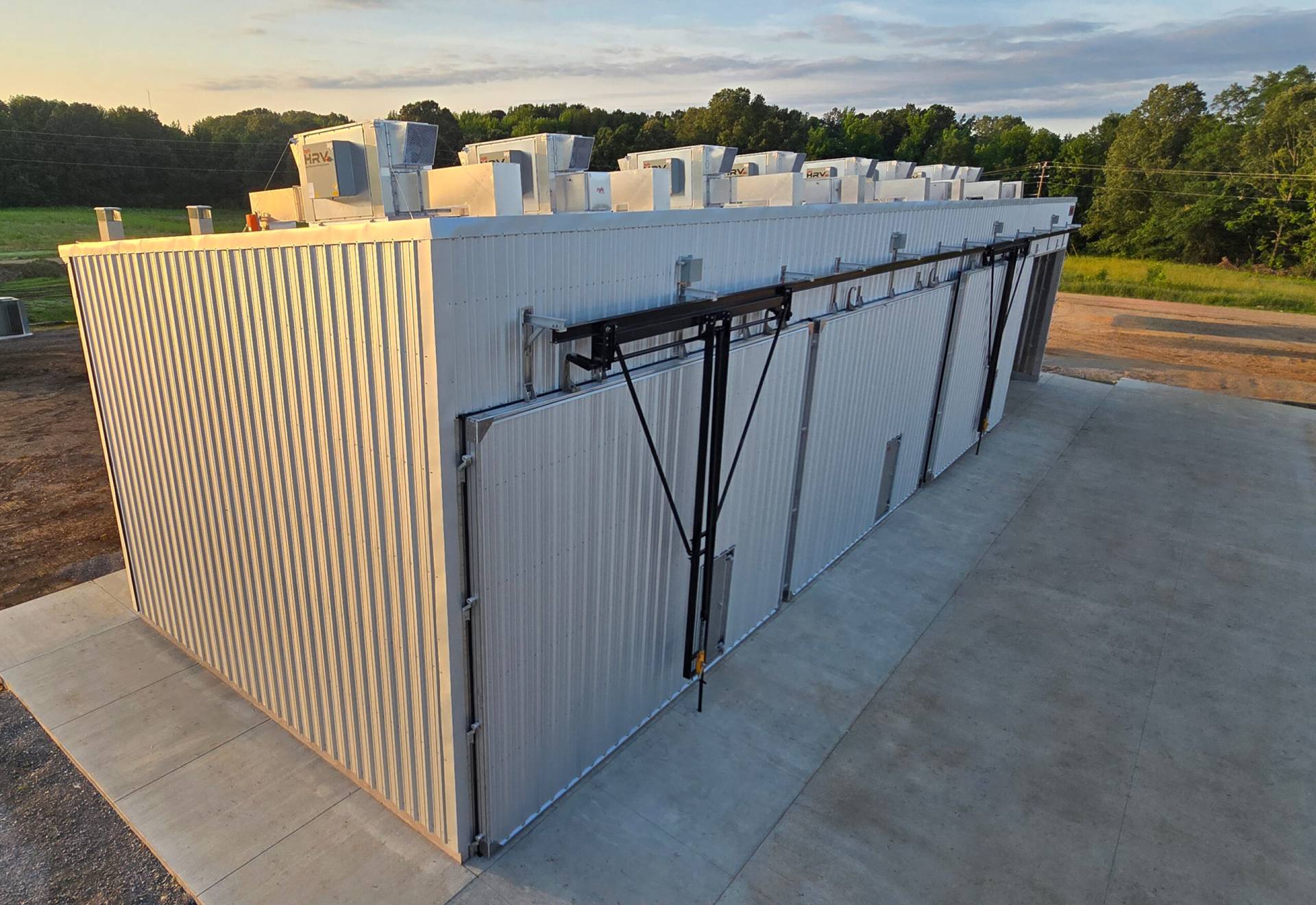
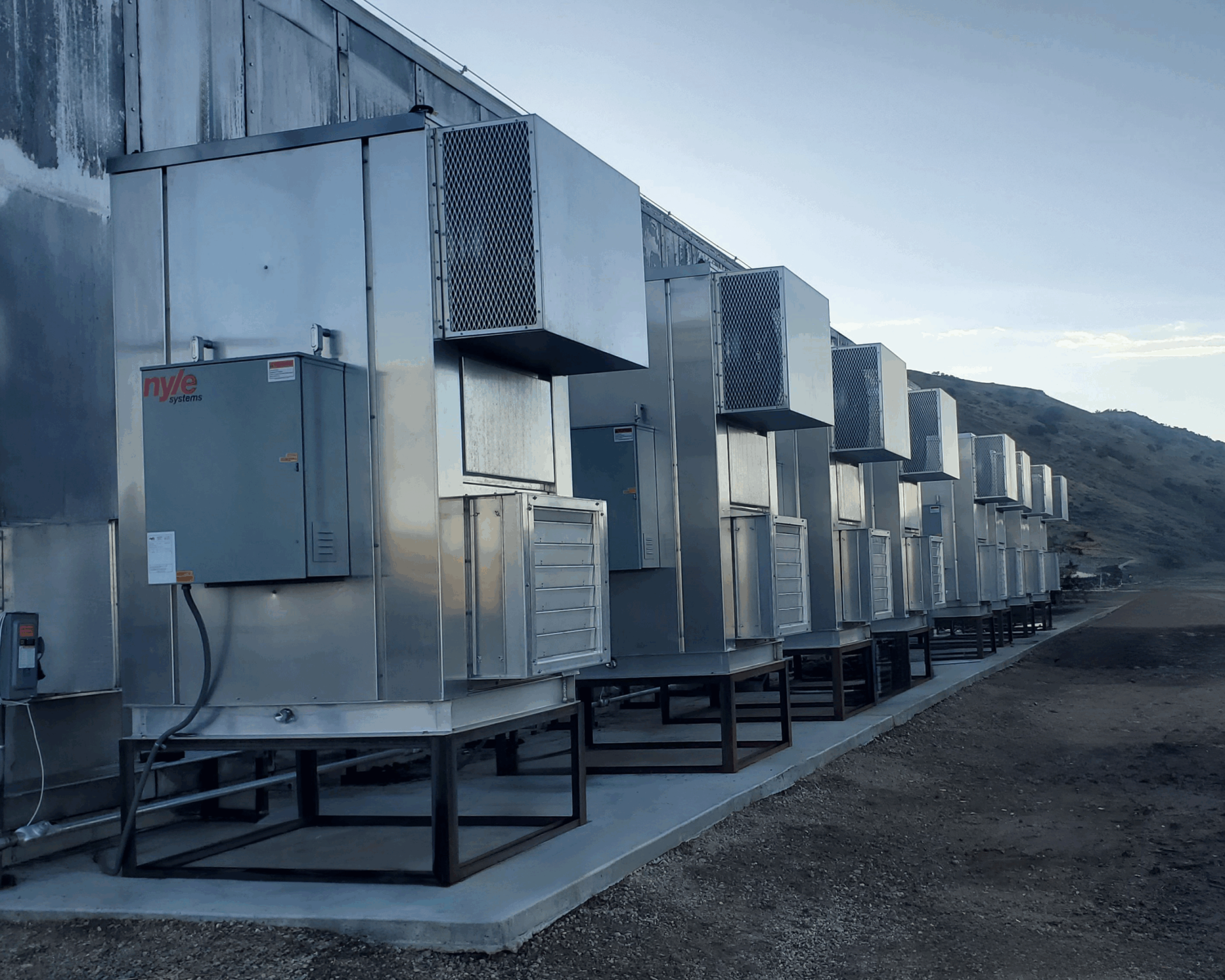
| Mounting Style | Rooftop | Standalone |
| Power Requirements | 480V Three Phase, 15A | 480V Three Phase, 20A |
| Fuel Reduction | Minimum 15% reduction in overall fuel consumption | Minimum 15% reduction in overall fuel consumption |
It depends on your venting levels. Based on the example payback table, high-venting operations (starting MC of 130.1%) can see a payback in as little than 0.52 years, average-venting operations (starting MC of 58.5%) around 1.37 years, and low-venting operations (starting MC of 38.1%) around 2.58 years.
The HRV2500 requires 480V three-phase at 15A, and the HRV5000 requires 480V three-phase at 20A.
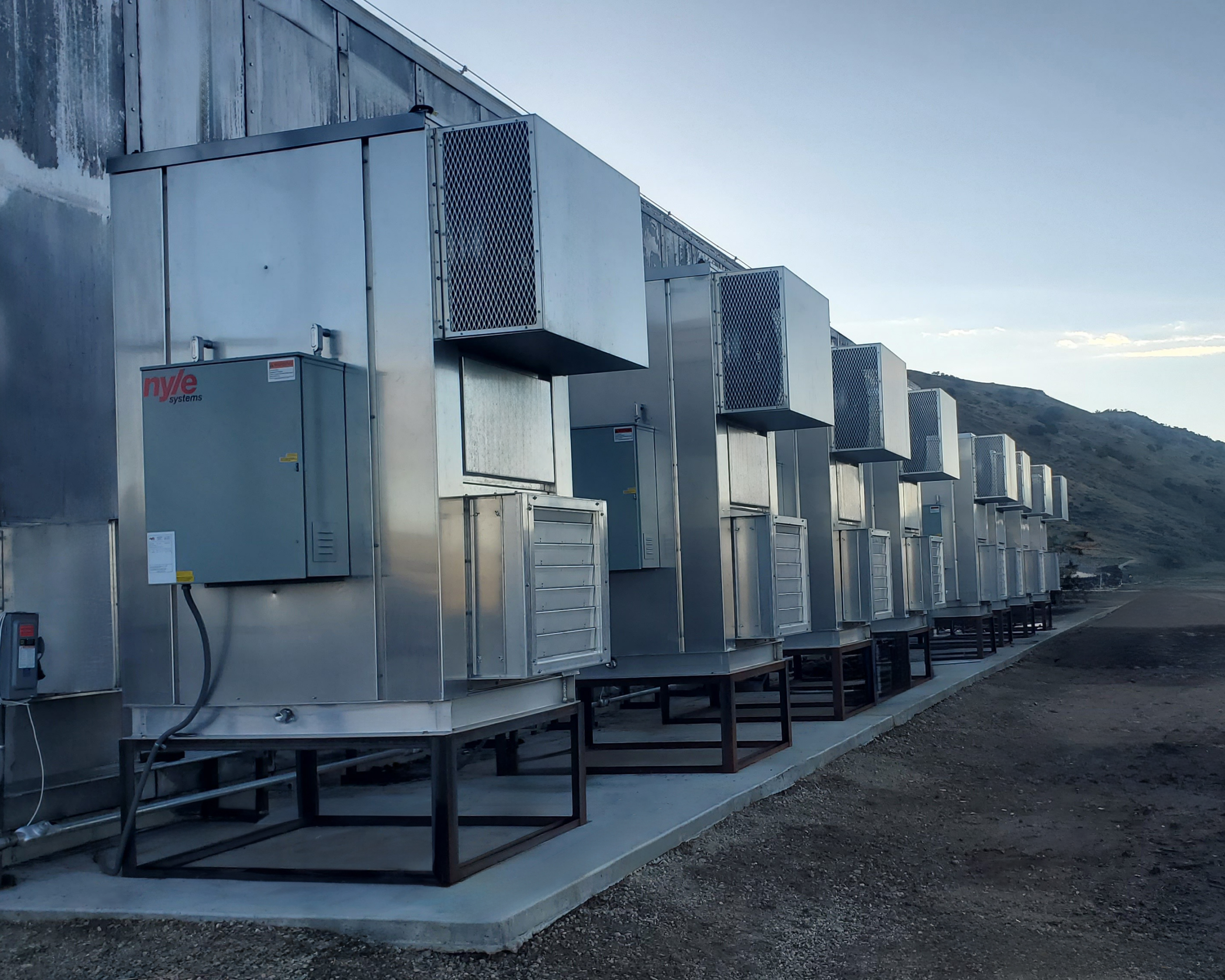
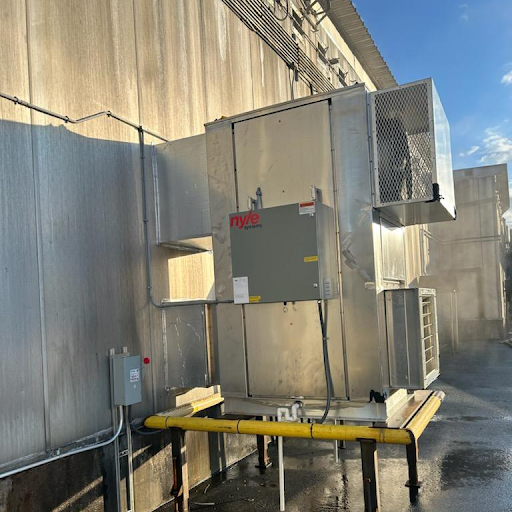
Yes. The HRV can be retrofitted to any kiln manufacturer's equipment, whether it is a package or track kiln. The HRV also works with a variety of energy sources, including biomass, steam or hot water, natural gas, and propane-fired kiln systems.
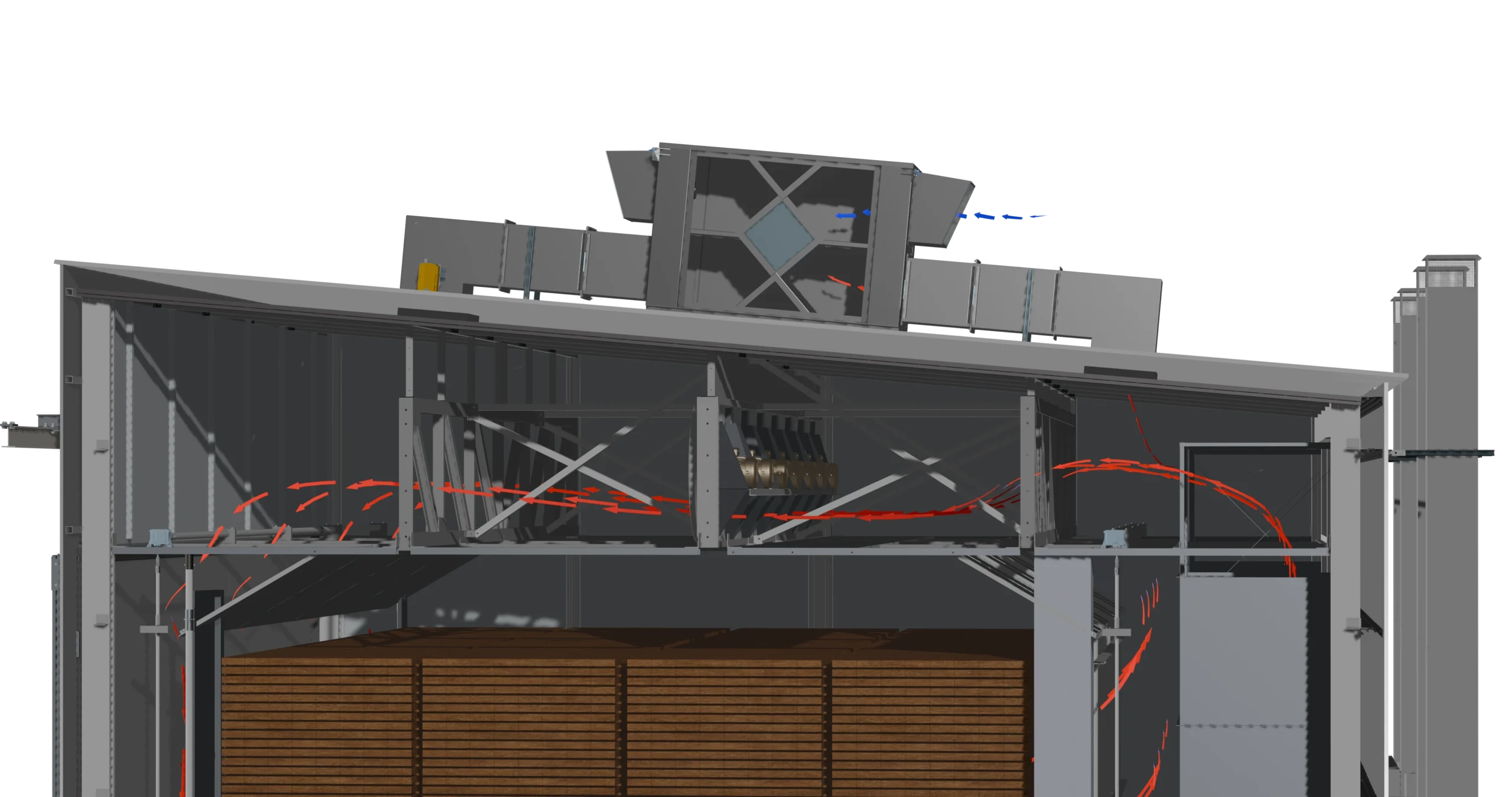
Yes, it's designed to handle the full range. The Nyle HRV system can vent at 2,500 - 5,000 CFM and is sufficient for both the fastest-drying softwoods and the slowest-drying hardwoods. It controls the flow of heat, air, and moisture so the lumber dries evenly, producing high-quality lumber and reducing degradation.